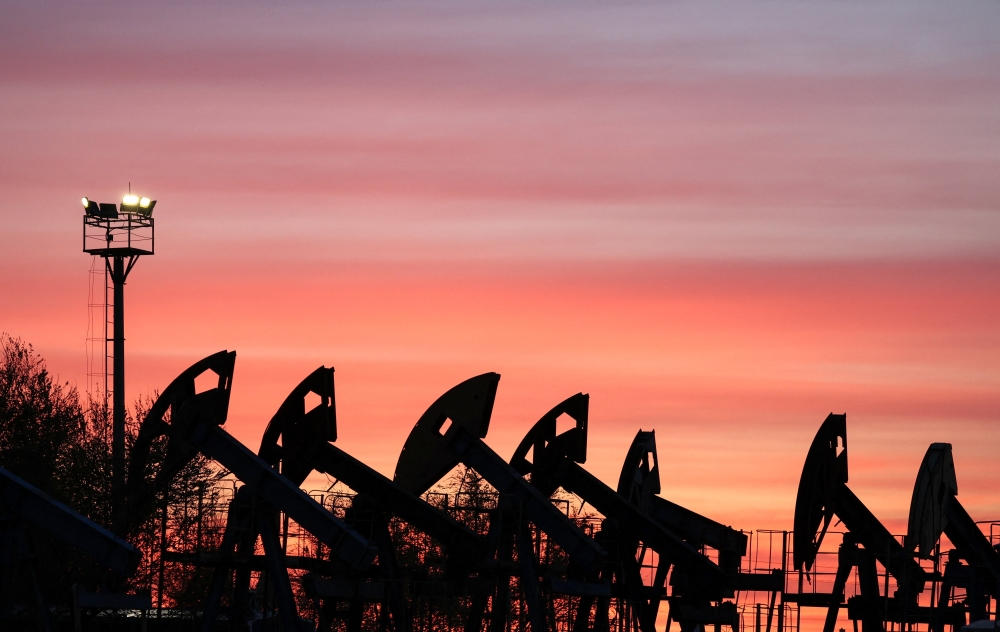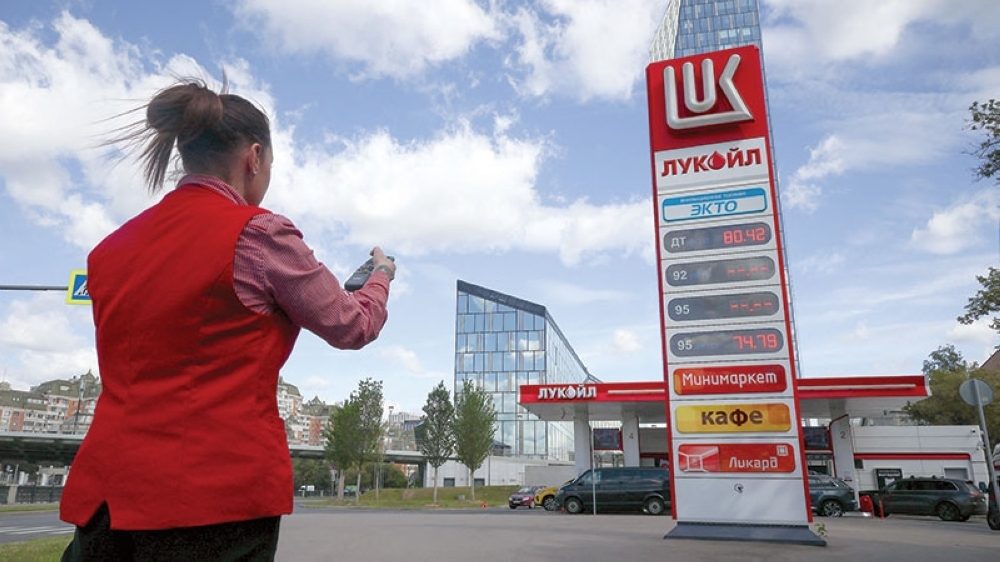





NEW YORK: Oil prices were slightly higher on Tuesday, gaining for a third straight session, as prospects for a US-Iranian peace deal dimmed after Tehran said it would adopt a more offensive stance and Washington ruled out extending a ceasefire deal. Brent crude futures were up 36 cents, or 0.4 per cent, at $91.23 a barrel at 11:03 am ET (1503 GMT). US West Texas Intermediate crude futures were up 56 cents, or 0.66 per cent, at $85.06 a barrel. The contracts traded at their highest since July 30 and July 31, respectively, earlier in the session.
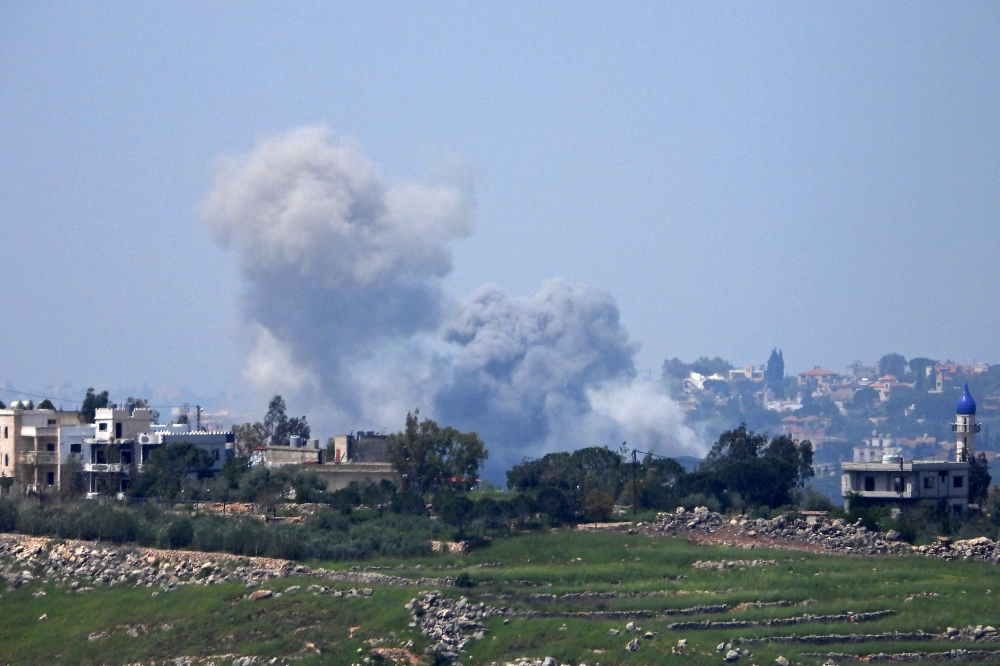
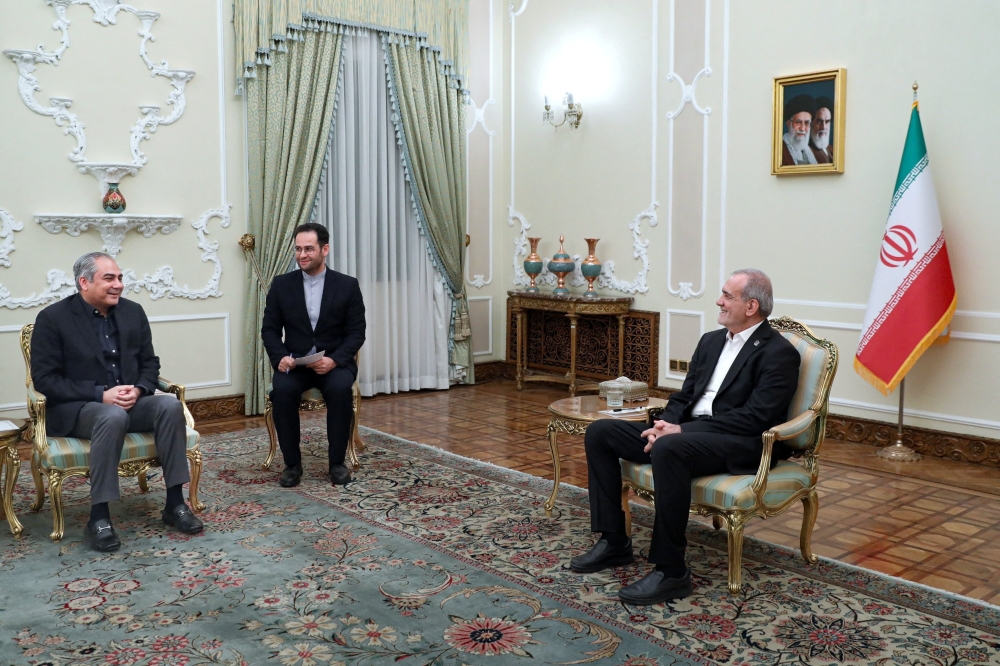
Progress on peace talks and the resumption of oil tanker traffic through the strategic Strait of Hormuz appear to have halted, threatening to extend the conflict that the United States and Israel launched with attacks on Iran on February 28.Iran will keep the strait closed until the US meets the conditions of the interim deal signed in June, top Iranian negotiator Mohammad Baqer Qalibaf said in comments published by state media on Tuesday.Trump, who previously labelled that deal "over", said on Tuesday that talks between Washington and Tehran were neither taking place nor scheduled, but the Strait of Hormuz was open. His comments were met with a muted market reaction.
"We are not at the pain points yet where either Iran or Trump would seek to make a deal," Mohit Kumar, an economist at brokerage Jefferies, said. "Hence, we see further pain in the near term and upward pressure on oil prices. "Qalibaf's comments came after a senior Iranian official told Reuters on Monday that Iran will shift to a "fully offensive" military posture as efforts have stalled towards a permanent end to the war."
The lack of any kind of deal will have an impact on oil price expectations further out in 4Q and even in 2027," said DBS Bank's head of energy research Suvro Sarkar.Some oil is escaping Hormuz however, though crossings are in the single digits. Saudi Aramco has resumed oil loadings from inside the Strait of Hormuz, and is offering cargoes for loading via ship-to-ship transfers off Fujairah in the UAE.US government bond yields eased slightly on Tuesday, though longer-dated yields remained near multi-year highs after the 30-year Treasury yield earlier touched a level not seen since 2007. The move came as fears of an escalating Middle East conflict stoked inflation worries and weighed on stocks.Yields have risen despite a recent run of soft U.S. economic data easing concerns about an imminent Federal Reserve rate hike. Traders now see just a 31 per cent chance of a hike at the Fed's September meeting, but see 68 per cent odds of an increase by December.
A resurgence in inflation could renew expectations for a faster pace of rate hikes."If things unravel and the conflict escalates, a mid-cycle adjustment would be necessary," said George Bory, chief investment strategist for fixed income at Allspring Global Investments. Wall Street's major indexes slid to roughly two-week lows on Tuesday, dragged down by losses in heavyweight technology stocks that are especially sensitive to moves in Treasury yields.
"The yields are troubling people because it portends a tighter environment and it's going to be more expensive to borrow money," said Kim Forrest, chief investment officer at Bokeh Capital Partners. "Especially in this whole AI thing where time to pay it back is uncertain. It makes for a nervous investor environment. "Elevated yields tend to weigh on equities by making stocks relatively less attractive to investors, and by raising borrowing costs for capital-intensive companies pouring money into AI infrastructure. The Nasdaq Composite fell 1.06 per cent, the Dow Jones Industrial Average dipped 0.12% and the S&P 500 was down 0.49 per cent. The pan-European STOXX 600 index fell 0.43 per cent and MSCI's gauge of stocks across the globe fell 0.55 per cent.
The CBOE Volatility Index, Wall Street's fear gauge, hit its highest in more than a week.Investors are now turning their attention to Wednesday's release of the Fed's latest policy meeting minutes, as well as next week's Jackson Hole symposium, which will be closely watched for clues on how policymakers are interpreting recent economic data."Given the reduced information content of the FOMC's policy statement and Fed chair (Kevin) Warsh's press conferences, the minutes from the FOMC meetings arguably have become more important in conveying the balance of views among policymakers," said Jonas Goltermann, chief markets economist at Capital Economics. The Federal Open Market Committee is the Fed's interest-rate-setting body.In currencies, the dollar index, which measures the greenback against a basket of currencies including the yen and the euro, rose 0.02 per cent to 99.56, with the euro up 0.04 per cent at $1.1584. — Reuters
Oman Observer is now on the WhatsApp channel. Click here